Presentation Title
Ling Link

- Spend then next 2 minutes looking through the text-based technology you use the most (can’t just be pics/videos), and answer these questions:
- Do you use emojis? Do you ever post/respond with emojis only (no other text)?
- Which emojis do you use the most often? Why?
- Do you think your emoji use depends on certain factors like who you are talking to, etc.? Which ones are important?
- Have you ever had confusion/trouble because of misunderstanding what an emoji meant?
- Have you ever sent an emoji that was embarrassing?
- Do you think your use of emojis has changed over time?
Logographic Scripts

- Chinese
- These logograms represent the words ‘happiness’, ‘love’ and ‘joy’
- Not the phonographic equivalents of said words in Chinese

Syllabic Scripts

- Syllabic scripts = Syllabaries (=signs stand for syllables, not individual phonemes)
- Many of the world’s languages that utilize syllabaries have very restrictive syllable structure
- Syllables look like CV(C) = consonant + vowel (+ consonant) = Japanese
- <If> <Eng>
<had> <a> <la> <we> <would> <write> <like> <this> - English allows very complex syllables, like the word “sixths” [sɪksθs] (many multi-consonant combos in onset and offset position)
Interactive
- Which one of these says “sushi”?
- Give others, but the right one is すし
- Others: さの; ても; さけ
- Use this image too

Segmental systems
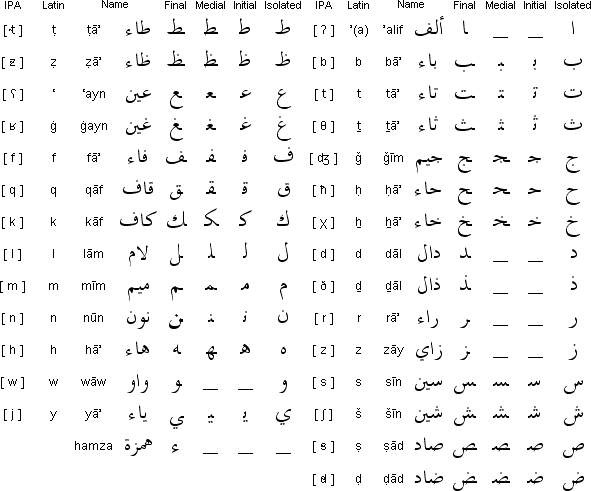
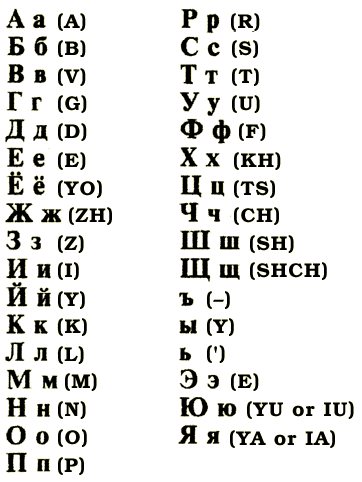
- Graphemes represent discrete phonological segments (phonemes)
- Alphabets
- Abjads
- Difference? Abjads only represent consonant sounds, not vowels
- Vowels are predictable
Writing today

- Since writing is learned, we are often taught a very specific way in which to represent language on the page
- Big focus on standards
- Punctuation, capitalization, spacing exists in writing, not speech
- Ums and uhs are common in speech, rare in writing
- But writing in today’s world looks a bit different
- Digital writing has exploded!
- = very fast linguistic change!
- Is it more like speech?
- Still a visual modality
- But you can modulate in ways that were previously not done in writing!
What it means

- The language of texting often boils down to efficiency and meaning-making
- Efficiency = abbreviations (lol, brb), letters/numbers for whole words (b for “be”, 4 for “for”), lack of punctuation
- Meaning-making = ALL CAPS (for shouting), extra letters (like looooooong meaning “really long” or yayyyyyyyy! meaning very excited), representations of emotional sounds (haha, <sobbing>)
- Others?
- Like speech, much of what you do online seems to be acquired (no one taught you what these things mean) = epic fails for Mom!

What’s next?

- Come Wednesday for Why can’t Siri pronounce my name?
- Quiz 9 in recitation on Friday
- Observation notes #6 (last one!) due Friday, April 12 at 11:59pm
- No late work, no AI
- Drop lowest – if you are happy, you can skip it!
